
Shopping habits in Mexico have changed a lot over the past few decades; it’s not even the same story anymore. What used to depend mostly on newspaper advertisements, printed flyers, and actual visits to physical stores has basically turned into something more digital, more convenient. Nowadays, people can scan thousands of products, compare prices, and find special discounts right from their smartphones or computers, almost anytime.
This move away from the usual marketing style toward online shopping spaces has also altered the way retailers show off items and the way shoppers locate bargains, and then decide if they buy or not. With tech getting more present in everyday life, digital catalogs, online promotions, and e-commerce platforms are turning into those necessary instruments modern buyers use.
So yeah, the way shopping evolves in Mexico mirrors bigger shifts in how people behave, how technology keeps advancing, and how strongly many want convenience, plus savings, at the same time.
The Era of Printed Flyers and Traditional Advertising
Before the rise of the internet and smartphones, printed advertising did a lot of heavy lifting in the Mexican retail world. In those days, supermarkets, department stores, electronics retailers, and even smaller local businesses would push their flyers out, plus those promotional brochures, so customers would notice them.
A lot of the time, these materials were slid right into people’s homes, or they showed up inside newspapers, or someone would hand them over in shopping centers. Shoppers would go through the weekly deals carefully, compare prices, and kind of map out their route for the store runs based on what was on offer that week.
For many families, these printed flyers became a practical budgeting tool. They let shoppers spot markdowns on groceries and household items, as well as clothing, and whatever seasonal goods were in rotation, before actually heading to the store.
Now, even if it worked back then, printed flyers still had a few drawbacks. The promotions could go stale fast, the distribution expenses were pretty high, and people didn’t really have immediate or live information at their fingertips.
Still, despite all that, Flyers and Offers in Mexico turned into a common, almost everyday part of shopping habits, and it sort of set the base for the promotional playbooks retailers use today.
The Rise of Digital Technology
The widespread adoption of the internet in Mexico kind of kicked off a big shift in retail marketing, you know. As more consumers got access to computers and mobile devices, retailers started seeing all these new ways to connect with customers online.
With digital marketing, businesses could send promotional information right away, and they could reach broader groups without all the printing and distribution costs that usually come with traditional advertising.
There was also the convenience side of it, which mattered a lot. Instead of waiting for paper flyers to show up, shoppers could check current offers online whenever they wanted, at any moment.
Over time, that change really helped bring digital catalogs, online advertisements, and e-commerce platforms into the picture, making shopping a lot more efficient and easier to access.
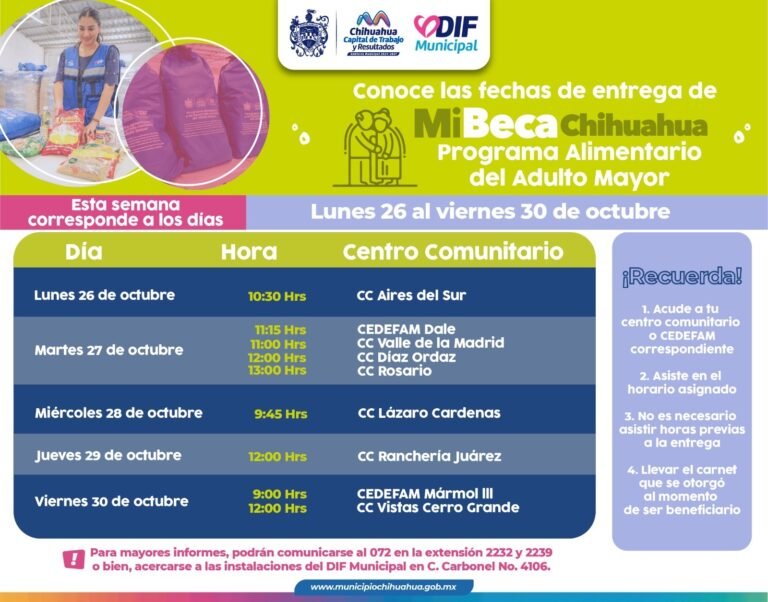
Today, many consumers rely on folders and promotions in Mexico available through digital platforms. That’s how they stay up to date on deals from their favorite retailers, more or less all the time.
The Growth of E-commerce in Mexico
E-commerce expansion has been one of the biggest developments in Mexico’s retail picture. Online shopping is getting more and more popular, mostly because internet connectivity is better now, and because secure payments plus delivery services have improved a lot.
People can now grab products from groceries to electronics, even to fashion and home décor stuff, all without really leaving their homes.
As a result, retailers have invested heavily in digital shopping experiences, mobile applications, and online marketing campaigns to meet evolving customer expectations. A major part of this transformation is the growing popularity of catalogs and promotions in Mexico, which allow shoppers to explore the latest deals, compare products, and discover discounts from multiple retailers in one convenient place.
At the same time, unlike older printed advertising, digital catalogs don’t stay fixed. They can be refreshed instantly; retailers can run flash sales, add time-bound deals, and tweak pricing in real time, depending on market demand.
And as e-commerce keeps growing, digital promotions have turned into a key piece for both bringing in new customers and keeping the existing ones, you know, as part of customer acquisition and retention strategies.
Why Digital Catalogs Are Replacing Printed Flyers
Digital catalogs, they have a few clear wins compared to regular printed stuff. For starters, they give instant access to information; you can basically jump in right away and see what you need. People can look through promotions whenever it fits them, without waiting around or being in the right place.
Then there are the extra perks like real-time updates, you know, things change, and the catalog keeps up. They also come with search functionality, which is pretty useful if you’re trying to find something quickly. Some even include interactive product displays, and yes, mobile accessibility is a big one too. On top of that, there’s reduced environmental impact since fewer paper materials are used, and the distribution is faster, too.
Digital catalogs also help retailers personalize promotions using customer preferences and shopping behavior. So, for example, one shopper who is into electronics may get recommendations and promotional alerts tied to technology products, while another person might see offers that are more focused on fashion or groceries.
That kind of personalization was kind of not possible with traditional printed flyers, because the content is already set in place.
So as a result, in Mexico, those folders and promotions are getting delivered more and more through websites, mobile apps, and other digital platforms, offering a more customized shopping experience overall.
Mobile Devices Have Changed Consumer Behavior
Smartphones have become one of the most influential factors in the evolution of shopping in Mexico. People now use mobile devices for almost every step of the buying journey,
Mobile shoppers can:
- Browse products
- Compare prices
- Read reviews
- Access digital coupons
- Receive promotional notifications
- Complete purchases instantly
Retailers have also adapted by building more friendly mobile applications and responsive websites, created to make the whole shopping experience feel simpler and smoother. Push notifications in particular help brands reach customers with limited-time discounts, flash sales, and new product launches in real time, kind of straight to the point.
And honestly, a lot of consumers regularly check Flyers and Offers in Mexico using their phones to stay updated on whatever promotion is running, so they can maximize savings opportunities.
The Role of Price Comparison and Consumer Savings
Smartphones have become one of the most influential factors in the evolution of shopping in Mexico. People now use mobile devices for almost every step of the buying journey, like, really, from the first idea to the final click. Mobile shoppers can browse products, compare prices, and read reviews, and they can also access digital coupons. They even get promotional notifications and, in many cases, complete purchases instantly, without too much delay.
Retailers have also adapted by building more friendly mobile applications and responsive websites, created to make the whole shopping experience feel simpler and smoother. Push notifications in particular help brands reach customers with limited-time discounts, flash sales, and new product launches in real time, kind of straight to the point.
And honestly, a lot of consumers regularly check Flyers and Offers in Mexico using their phones to stay updated on whatever promotion is running, so they can maximize savings opportunities.
Environmental Benefits of Digital Shopping Resources
The shift from printed flyers to digital catalogs has also, in a way, helped with sustainability efforts. Traditional print advertising used a lot of paper, ink, transport, and distribution energy. And tons of promotional materials were often tossed soon after arrival, like really quickly. With digital catalogs, the waste gets cut down a lot, since there’s no real need for physical printing or shipping in the first place. People can read the promotional content online, which lets businesses reduce their environmental impact while also trimming ongoing operating costs. Also as more people care about the planet, many retailers are adopting digital marketing tactics as part of wider, more green initiatives.
The Future of Shopping in Mexico
Shopping in Mexico keeps evolving, and honestly, it’s still far from finished. I mean, the whole thing is in motion. With new stuff coming in, like artificial intelligence, augmented reality, and customized ecommerce journeys, the way people buy things should keep shifting, bit by bit. Future shopping ideas might look like this, more or less, depending on who’s building it:
– AI-driven suggestions for products
– Voice-friendly shopping that feels more natural
– Augmented reality for previewing items before buying
– Stronger loyalty programs, more refined
– Personalized alert messages for promotions
– Automated monitoring of prices so nothing slips
Also, digital catalogs will probably get even more engaging. Instead of only scrolling, consumers can interact with products using videos, virtual demos, and shopping settings tailored to them. That kind of “try it before you decide” rhythm could become pretty normal.
And even while all that tech grows, resources like Flyers and Offers in Mexico should still matter. They’ll keep helping shoppers spot savings, while everything else adapts to these new technological advancements.
Conclusion
The journey from printed flyers to digital catalogs feels like a big milestone in the whole shopping evolution in Mexico. And yes, i t has that clear shift, because advances in technology, e-commerce, and mobile connectivity have really changed how people find items, measure prices against others, and grab access to promos faster.
Back in the day, the typical printed advertising had a kind of central role in retail marketing, but now digital solutions bring more convenience, more flexibility, and even some personalization that earlier formats couldn’t really do. Consumers increasingly end up using folders and promotions in Mexico, and also Flyers and Offers in Mexico, just to keep up with discounts, to sort of plan purchases better, and to squeeze out more savings in real time.
So as technology keeps reshaping the retail scenery, digital catalogs and online promotions will probably keep being essential, not only for consumers but for businesses too. The future of shopping in Mexico is, in a sense, already digital, offering smarter, quicker, and more rewarding experiences for shoppers across the entire country.